
When it comes to personal hygiene, mankind has come a long way. The people who lived before we did had to get creative when they had to keep themselves clean! You might have a face wash with kale extract, but they did not have these things in the past. Are you ready to hear what our ancestors used before? Prepare yourself because more than a handful of these things are downright nasty!
Families Used The Same Bathwater
In the Middle Ages, Christianity emphasized bathing as a way to stay clean. Even though rich families had no problems heating a lot of water for the bathtub each night, the less fortunate could not. This is the reason families shared the same bathwater. The order normally went from the oldest to the youngest, so the smallest child would have been using dirty water by then!

Families Used The Same Bathwater
Lye And Chicken Dung For Baldness
If you are a history fan, you might be familiar with the strange remedies people used. However, nothing will beat the time people used chicken feces to address baldness. “The Path-Way To Health”, a medical book from the 17th century, told men to wash their heads with a combination of chicken manure and lye. We doubt that this worked since lye is poisonous and alkaline!

Lye And Chicken Dung For Baldness
The Groom Of The Stool
In English court, there was someone who served as the Groom of the Stool. The job description would be to wipe the derriere of the king after he went to the loo! We know it sounds disgusting, but it did have certain benefits. This person was typically someone the king trusted. This person served as a confidant for the ruler and knew all the juiciest secrets!

The Groom Of The Stool
Crocodile Dung Contraceptive In Egypt
Women all over the world have tried a number of things to prevent unwanted pregnancies. However, this might be one of the strangest methods we have ever heard. Scrolls from 1850 BC revealed that Egyptian women inserted crocodile dung pellets into their genitalia. While it sounds disgusting, modern science proved that this was actually effective. Crocodile poop worked the same way as alkaline and spermicide.

Crocodile Dung Contraceptive In Egypt
The Nobility Put Lead On Their Faces
These days, people find sun-kissed skin more beautiful than pale skin. However, the reverse was true in the past. A fair complexion meant that one did not work under the sun in the fields, which is why noble me and women painted their faces. However, white paint was once made of pure lead, which was poisonous and ate away at the skin. The more they used it, the more they had to cover it up.

The Nobility Put Lead On Their Faces
Rotten Teeth As A Status Symbol
In the Elizabethan era, only wealthy people had access to refined sugar. Teeth that were rotten, falling out, and covered in gingivitis were essentially a status symbol. The lower classes even faked gingivitis to look richer. Dental health was not such a big concern back in the day.

Rotten Teeth As A Status Symbol
Four Outfits For A Year
During the 19th century, fashion was not about looking great. It was more about saving money and practicality. The upper class was the people who wore different outfits every single day. Most people had only one outfit for each season. Yes, this applied even to undergarments! They might wash the clothes every few weeks, but this was not the norm. Some people had a fifth outfit for formal events.

Four Outfits For A Year
Shoe Polish Was Very Poisonous
During the early 20th century, shoe polishes used an ingredient called nitrobenzene. This made the shoes look slick and shiny, although it was toxic enough to make one faint upon inhalation. It was even more dangerous when mixed with alcohol. Keep in mind that modern shoe polish is still deadly when ingested.

Shoe Polish Was Very Poisonous
Before Toilet Paper Was Invented
Did you know that the Chinese had been the first ones to use paper for sanitation? However, toilet paper only became widespread in 1857. Before this, people resorted to using rags, wet cloths on sticks, leaves, and even their bare hands. Knowing this, you should feel thankful that TP is now the norm!

Before Toilet Paper Was Invented
Women Ruined Their Hair In The Name Of Fashion
Ladies ruined their hair to keep up with the trends in the ‘20s. They experimented by making makeshift curling irons. They used round iron shafts that they heated over coals with the use of wooden handles. It did not have temperature control, which led to burnt hair. The smell was even worse since they used petroleum jelly, which smelled like glue, for the curls! Washing right away was out of the question…

Women Ruined Their Hair In The Name Of Fashion
Using Urine As A Face Wash
The 17th century equivalent of Sephora sold products with urine as the main ingredient. Noblewomen washed their faces with pee for its antiseptic properties. You might be impressed to hear that it actually cleaned their faces. However, they also thought it had anti-aging and skin-firming properties.

Using Urine As A Face Wash
Lysol For Feminine Hygiene
Yes, this is the same brand that you use to clean your kitchen and kill 99.99% of germs. In 1889, Lysol was first invented. It became popular when the Spanish flu broke out in 1918. During the ‘20s, the company advertised it as a feminine cleaning agent and birth control agent. The medical community eventually discouraged it because it was too strong for sensitive areas.

Lysol For Female Hygiene
Dentures From The Dead
Before wooden carved teeth were used for dentures, one had to look for a person who no longer needed their own set of teeth. Of course, only the dead gave up theirs. In the 18th century, dentures came from dead soldiers. It sounds morbid now, but this did not bother the people who had to use them back then.

Dentures From The Dead
Snail Slime As A Sore Throat Solution
These days, you would probably make tea with honey to cure your sore throat. In the past, doctors had to resort to a different measure. Doctors used to make a mixture of snail slime and sugar! With a 1:1 ratio, they created a sweet syrup that coated the throat and cured the cough. While rather similar to honey, we still feel rather disgusted.

Snail Slime As A Sore Throat Solution
Dying People Became Edible Medicine
Mellification is the name of the Arabic process that turned a dying person into a mummified candy bar. It started before the person even passed away! They donated their body and began eating an all-honey diet. When they passed away, they placed the body in a stone coffin full of honey for as long as a century. The “mellified man” would be unearthed and consumed by the living as a treatment for a number of ailments. This tradition became so big that 16th century China even adopted it.
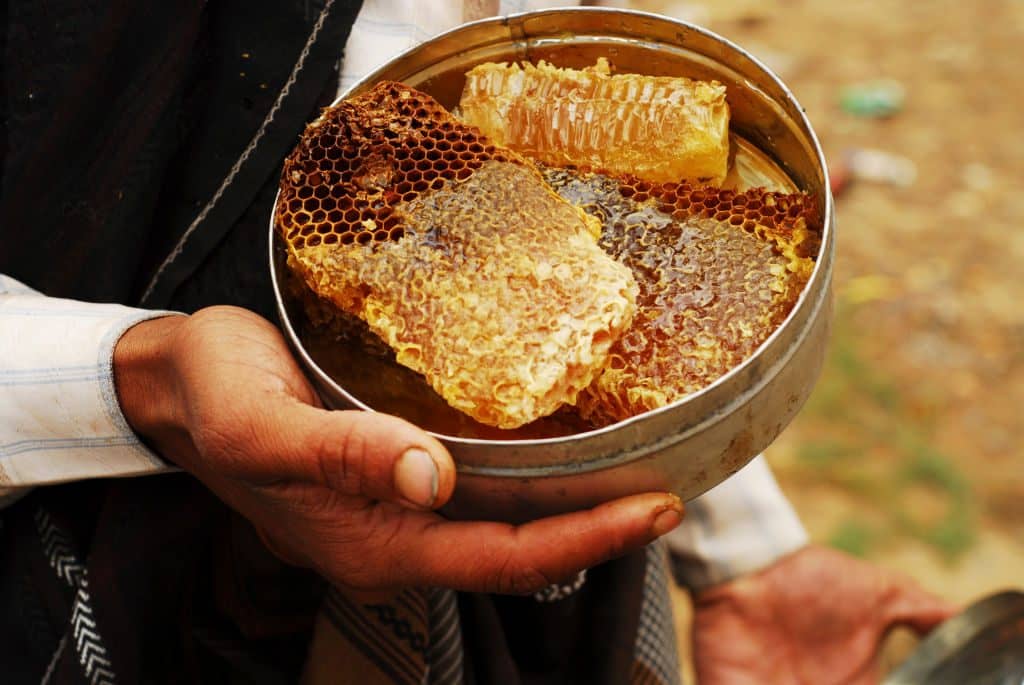
Dying People Became Edible Medicine
Early Toothpaste Was Disgusting
Did you know that toothpaste is a pretty modern invention? However, people also had to clean their teeth in the past. During the Middle Ages, toothpaste was created with burnt rosemary and mint, so it was not that bad. However, it was a lot worse during the Roman era. The Romans allegedly made mouse brains puree to clean their teeth! The Ancient Greeks, meanwhile, used crushed oysters. Ancient Egyptians preferred crushed pepper and salt.
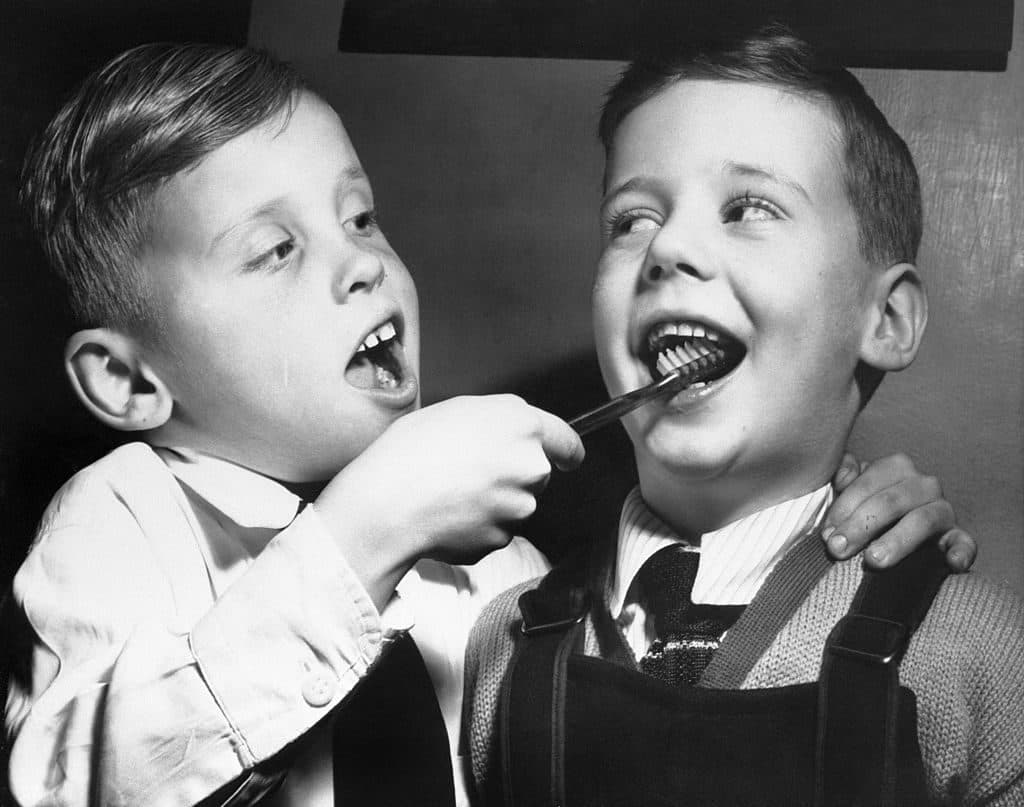
Early Toothpaste Was Digusting
Washing Their Mouths With Urine
Listerine and Tide Pods did not exist in the past, so people had to look for other ways to clean clothes and get rid of bacteria. They needed to come up with an anti-bacterial solution, so they used something widely available. Human pee contains ammonia and can be sterilized by boiling. While it sounds gross, Bear Grylls himself suggested this when you have nothing else on you.

Washing Their Mouths With Urine
Tall Hairstyles Were Basically Nests
We are sure that you have seen those high hairstyles during the 18th century. They might seem prim and proper, but they were full of bacteria! They used a mix of real hair and wigs, building them up with lard. The style took a lot of work, so it was common to keep the hair unwashed for weeks on end. As you can imagine, small animals and bugs liked to make themselves at home in the nest-like environment.

Tall Hairstyles Were Basically Nests
No Clothes Washing In The Winter
We already talked about how people used to have only four outfits. You might not be surprised to hear that they did not wash them during the winter. Most people found it too cold to undress, so they simply kept them on all season. Washing clothes meant heating up water and drying the clothes while they were buck naked the whole time. Since they did not sweat a lot, perhaps it did not smell too much.

No Clothes Washing In The Winter
Teeth Lacquering Led To Irreversible Damage
This would not make sense to the current generation, but teeth blackening used to be a thing. It was common in Vietnamese and Japanese cultures. They believed that black teeth symbolized maturity and civilization. This process involved corroding the teeth enamel using chemicals. The end result was a glossy black finish. The chemicals kept the teeth safe from decay but also damaged them irreparably.

Teeth Lacquering Led To Irreversible Damage
Ancient Tampons Were Not Comfortable
During ancient times, people had an “anything goes” mindset when it came to preventing leaks. Tampons reportedly originated in Egypt, where women used linen-wrapped honey and dirt. The women of Ancient Greece had a similar technique. Ancient Indian women, meanwhile, used a mixture of oil and rock salt that also functioned as a contraceptive. In Japan, they used paper tampons. However, they were not very absorbent and needed to be changed around 12 times each day.

Ancient Tampons Were Not Comfortable
Body Hair Removal Using X-Ray
Can you believe that they had been using X-rays for body hair removal during the early 20th century? While it was convenient, it caused cancer in the people who did this. They wanted to get rid of their hair permanently, but the process involved radiation exposure for nearly an entire day.

Body Hair Removal Using X-Ray
Getting Rid Of Grey Hair With Radium
Radium was used to combat grey hair, but just how effective was it? The truth is that it was 100% effective at keeping faded hair at bay. However, it caused the hair to fall out! It is a good thing that we can now rely on hair dyes instead. However, some people actually want to dye their hair grey nowadays.

Getting Rid Of Grey Hair With Radium
Eating Humans Was Thought To Be Good For The Health
We hope you are not eating anything right now. During the 17th century, wealthy people believed that human fat, blood, and flesh could maintain their health. It is a good thing that no one believes that in this day and age. Right. Shall we just head onto the next slide now?

Eating Humans Was Thought To Be Good For The Health
Beaver Parts As A Birth Control Measure
Reptile dung was popularly used in the past, but this one is even stranger than that. During the 16th century, they took the special parts of male beavers and used it as a birth control potion ingredient. Women drank the concoction, which they thought would prevent pregnancies. We doubt that it worked.

Beaver Parts As A Birth Control Measure
They Used Silphium So Much It Became Extinct
Are you ready to hear more birth control methods? Ancient Romans once used the silphium plant as a natural birth control method. They simply ate it. This contraceptive became so popular that it led to the extinction of the plant! The people used to value this plant so much that they added an image of it on the currency. Knowing this, we feel sad that we no longer have access to this wonder plant.

They Used Silphium So Much It Became Extinct
Teeth Extraction Generally Solved All Toothaches
In the past, they had a foolproof method that would help people suffering from toothache. They simply pulled it out! The painful practice was conducted by barbers since they had the right to perform surgery in the past. Don’t worry, they typically did this to rotting teeth that needed to be taken out anyway.

Teeth Extraction Generally Solved All Toothaches
People Got Rid Of Freckles With Sulfur
People are now embracing things that were once considered undesirable. In the past, freckles were considered flaws. Those who had them used sulfur to make them go away. We are glad that people are now practicing self-love and shying away from traditional beauty standards. If you have freckles, you should be thankful that we now live in more accepting times.

People Got Rid Of Freckles With Sulfur
Flowers Covered Up Foul Odors
We know have the ability to shower each day, put on deodorant, and apply perfume. There was a time when these things were not the norm. Showering so much was considered wasteful, which is why people carried flowers to mask their musk. This practice was so popular that the phrase “nosegay for a small bouquet” became the norm. Maybe you should start wondering what people mean when they give you flowers!

Flowers Covered Up Foul Odors
Eagle Dung Was Supposed To Help With Pain
Things were not easy for women of the past. It was not only the fact that birth control methods were not very reliable. There was also the matter of childbirth pains. Women received a mixture of oil, vinegar, and eagle dung to make labor easier. Times have changed a lot since then. While childbirth will never be easy, it is definitely somewhat more comfortable now.

Eagle Dung Was Supposed To Help With Pain
Castle Moats Were Absolutely Disgusting
We are sure you have always dreamed of having a moat in your own home! However, the reality is that you would not like to take a dip there. Castle keepers used to dump human waste and leftover food in this area. If you ever see a movie and someone falls in, you now understand just how nasty it would have been even if there were no alligators!

Castle Moats Were Absolutely Disgusting
They Covered The Floors With Straw
During the Middle Ages, they simply covered the floor with straw when bathrooms were not available. The truly nasty thing about this practice was that they never took out the old straw before putting on a new layer. We hope that medieval folks did not walk around bare feet because that would take this to a whole new level. Knowing this, we can see why people used to get sick so easy back then.

They Covered The Floors With Straw
Eating With Fingers Was The Norm
They did not have silverware during the Middle Ages. Do not believe movies that show medieval people using spoons! They actually ate using their hands since these were the only tools that they had on them. Sometimes, bread was even used as a utensil before they scarfed it down. Now, we all know that folks back then did not have the best hygiene properties…

Eating With Fingers Was The Norm
They Performed Surgery Without Sterilization
Until the 19th century, people did not know about the existence of germs. Of course, people got sick, but no one understood why. When someone fell sick enough to undergo surgery, they did not sterilize the equipment first! It is astounding to learn that surgery was being performed hundreds of years ago before they even learned about germs. Skeletal records also showed that the Mayans and other ancient civilizations performed brain surgery and other advanced operations!

They Performed Surgery Without Sterilization
Mercury Allegedly Cured Cold Sores
You might have already noticed that they used just about anything to cure various diseases. They even believed that mercury cured cold sores. Yes, the same liquid metal that we now use in thermometers. They let the metal make contact with the wound. This did not work and only made the situation worse!

Mercury Allegedly Cured Cold Sores
No One Knew How Dangerous Lead Was
It is an unfortunate reality that lead continues to be an issue in our water supply system. However, it used to be worse in the past. When bathtubs and water systems were originally built, they used lead. Back then, people did not know that the metal was dangerous. Water supplies continue to be tainted with lead, but filters and other tools make it possible to keep them clean. It has resulted in fewer people falling sick from using tap water for bathing or drinking.

No One Knew How Dangerous Lead Was
They Burned Wounds To Stop The Bleeding
People used to believe that closing wounds by burning them helps with healing. This began during the Middle ages when cauterization was the norm. There was nothing complicated about the logic behind it. All they knew was that the bleeding stopped when they burned the wound. However, cauterized wounds were prone to infection, so it only made the situation worse. We are glad to hear that this trend has since died out!

They Burned Wounds To Stop The Bleeding
Graham Crackers Fought Off Lust
We bet you had no idea that this was the case! They invented graham crackers to fight off any feelings of lust. Apparently, the crackers were intended to be bland enough that you completely forget about desire whatsoever after eating them. We doubt that there was any science behind this, but consumers bought the lie anyway. Graham crackers continue to be very popular today, although people like to add marshmallows and chocolate to them now.

Graham Crackers Fought Off Lust
Deodorant Was Finally Invented
An incredible thing happened in 1888. This was the year that deodorant was finally invented. Perhaps people found it too tiresome to bring flowers with them wherever they went. Perfume was now an option as well. It is a good thing that people did not stop taking showers after deodorant became popular. People finally liked to smell good, and this kept sweaty odors away.

Deodorant Was Finally Invented
Kerosene To Keep The Bed Bugs Away
We doubt that there was ever a time when bed bugs were welcome in any home. In the past, people dealt with the creepy crawlies by putting kerosene on their beds. It did not work to keep them away, but it did make the beds smell bad. On top of that, it was a very flammable liquid. There is literally no reason for you to try this out even if bed bugs get on your nerves!

Kerosene To Keep The Bed Bugs Away
How The Term Feminine Hygiene Came To Be
In 1973, the United States made it illegal to advertise birth control. The products themselves were not illegal, but they wanted to stop any marketing about them. Companies had to brand their products under the terms “male hygiene” and “feminine hygiene” to get around this rule. They did not fool anyone, but the terms were mellow enough to get a pass.

How The Term Feminine Hygiene Came To Be
During The Night
During the night, chamber pots were used to relief yourself. These small pots were kept under the bed for people to use during the late hours. Sometimes people wouldn’t even empty them out after each use. Talk about a stinky bedroom!

During The Night
Make Do With What You Have
People often cleaned their mouths by simply rinsing with water. Remember, this was a time when toothbrushes and toothpaste didn’t exist, so they did the best they could. They often cleaned their teeth with a piece of cloth, simply wiping back and forth until satisfied.

Make Do With What You Have
Public Bathing
While the upper class had their own personal bathtubs, the rest of the population used public baths. These baths saw hundreds of people every day, and the water was rarely changed. The stench of the bath was so bad that people would tie herbs or flowers around their wrists and smell in the good scents while bathing.

Public Bathing
Makeshift Hair Gel
It is known that the Israelites created a type of hair gel to keep their locks in place back in the day. They mixed oil and ashes (human ashes) to produce this hair gel, and it seemed to work. That is if you can get over the fact that someone’s flesh is the reason for your slick hair!

Makeshift Hair Gel
Bright Red Lips
Similar to today, women liked to look their best at all times, no matter the time of day. They often used ochre clays laced with red iron for lipstick. The bright red was similar to many shades of lipstick today.

Bright Red Lips
Powdered Fish Bones
One pamphlet recovered from Britain read that people should use powdered fish bones for their teeth. By simply rubbing this substance on your teeth and rinsing with a vinegar and sulphuric acid mix, it ws believed that you would end up with fresher, whiter and cleaner teeth.

Powdered Fish Bones
Famous For His (Bad) Hygiene
King James VI of Scotland became famous for his rather odd (and gross) hygiene. Not only did he wear the same clothes for months at a time, but he also kept his hat on for 24 hours a day. Yes, that means he even slept in it! He also believed that bathing was bad for the body, so he never bathed!

Famous For His (Bad) Hygiene
Mice Skin For Eyebrows
If women had thin eyebrows or none at all, they would use a rather odd material to add some shape and density to their brows. They would take tiny pieces of skin from mice and mask them to their eyebrows!

Mice Skin For Eyebrows
Beds Filled With Bugs
The straw bedding used in the middle ages was quite the breeding ground for vermin. Since it was rarely changed, it was often filled with little bugs such as fleas and lice. Although herbs and flowers such as lavender, mint, basil, and chamomile were added to the straw, it didn’t do the trick.

Beds Filled With Bugs
Dirty Fingers
As you probably know, people didn’t use silverware like forks, knives, and spoons. Even though they used their hands, it didn’t mean that their hands were generally very clean. Actually, quite the opposite.

Dirty Fingers
When Someone Died
What would happen when people died, do you ask? The people often feared contagion so they would just leave the decomposing bodies outside. In the end, this would just make things much worse since the bodies attracted infection and animals.

When Someone Died
The Real Reason For Wigs & Hats
Hats and long curly wigs weren’t just used for fashion, they were also used to mask something pretty disgusting. People’s hair was lice-ridden and filthy, so they used these measures to cover it up. This would ensure everything would stay put, the bugs included!

The Real Reason For Wigs & Hats
Leech-oxicillin
During the Enlightenment, leeches were used to cure almost every discomfort one experienced. You would often see people’s bodies covered with leeches. This was thought to get rid of diseases such as the plague and the common fever.

Leech-oxicillin
Stuck-On Clothes
Can you imagine your clothing being stuck onto you because you haven’t showered in so long? That actually happened to people in the middle ages who went without showering for 3 months at a time. The only trick to get their clothes off was water

Stuck-On Clothes
Avoiding Raining Poo
Since garbage pickup didn’t exist back then, people would simply pile up garbage in front of their homes, chicken bones and feces in the mix. Men often let the women walk on the inside of sidewalks to avoid falling pee and poo. What gentlemen!

Avoiding Raining Poo
Number 1 Please
When doctors were called in to sterilize a wound, they would simply pee on the area. This was thought to clean the cut or scrape and help it heal quickly and properly. Who else is glad we don’t still do this today?!

Number 1 Please
Butcher’s Bridge
During the Middle Ages, the River Thames smelled worse than anything we’ve mentioned thus far. Butchers threw their rotten, unused meat right over the railing of the bridge into the water below. One bridge even earned the nickname “Butcher’s Bridge” thanks to the rotten animal parts in the water beneath it.

Butcher’s Bridge
Recipes Galore
Since looking good was part of the societal norms, people came up with recipes for almost anything you could think of. From shampoo to toothpaste, to makeup, they had a fix for everything.

Recipes Galore
Nothing At All
While the men wore linen drawers, (as pictured below) the women wore quite the opposite…literally! During the Middle Ages, women didn’t wear any undergarments whatsoever. One less piece of clothing to wash we guess?

Nothing At All
June Weddings Only
Most marriages happened in June, but do you have any idea about the significance of the month? Most commoners had their yearly bath in May, so they chose June so that they would smell fresh on the big day!

June Weddings Only
Canopy Beds
No proper roofing meant that droppings, pests, and bugs could be waiting when you got into bed at night. Canopy and four-poster beds were then created for this very reason. How cool is it that they’re still stylish today?!

Canopy Beds
Moss Pads
Dealing with menstrual cycles was not fun at all during medieval times. Tampons and pads obviously weren’t accessible, so women had to resort elsewhere. Women of lower-class communities would use moss to soak up their flow. Although it is natural, they would grab from any moss tree they could find.

Moss Pads
Hats For Another Reason
While today we consider taking off your hat at the table normal, in the Medieval Era they actually left their hat on during meals. If they did take their hats off, they would let down a family of lice onto the table. Don’t be surprised if that soup is a bit crunchy tonight!

Hats For Another Reason
Tooth Worms Begone
During the 15th century, physicians had a rather weird remedy for toothaches. They would light a candle or cigarette and let the smoke enter your mouth. They would then lean your head over warm water and the tooth worms would fall out. These worms were the said cause of the pain.

Tooth Worms Begone
Red-Hot Pokers
Red-hot pokers were often used to prevent infections in cuts and scrapes. Many believe that this was as painful as the original injury, or close to it. Although it is still used in warzones, it usually leaves the site even more infected than it started out.

Red-Hot Pokers
Using The Bathroom At Night
If you were to wake up in the middle of the night with the sudden urge to use the bathroom, it was likely that you’d just reach under your bed for your bedpan. After relieving yourself, you’d simply slide it back underneath your bed and go back to sleep. The next morning these bedpans were emptied out the window onto the streets.

Using The Bathroom At Night
Urine As An Antiseptic
This may come as a shock to most people, but back in these days, urine was used for a lot of things. Other than wine, urine was actually the most commonly used item that could double as an antiseptic. If you got a cut from something or got hurt in some way, urine was used to heal you.

Urine As An Antiseptic
Disposing Of Human Waste
Instead of toilets or garbage cans (for their respective items), people threw human waste of all types into the same place, which was usually not too far from their home. Because of this, these areas became filthy and covered in germs and disease opportunities.

Disposing Of Human Waste
Washing Laundry
In the rare time that laundry was able to be properly washed, it wasn’t cleaned with soap or detergent, but rather a mixture of lye and urine. We’re not sure that’s really a way to get your clothes clean, but if it worked for them…

Washing Laundry
Medical Procedures
In today’s day and age, everything in a hospital is sanitized; back in these days, though, that was definitely not the case. Scalpels and surgical instruments were re-used all the time and were cleaned simply by soaking them in, yes, you guessed it, urine.

Medical Procedures
Washing Hands
In most average homes there wasn’t usually anywhere to wash your hands before or after eating, especially not with soap. This means people were eating with already-dirty hands and also not cleansing afterward. Talk about germs.

Washing Hands
No One Cleaned The Streets
Today we’re so used to always having clean and maintained streets, but back in these days, there was nobody to do this job. Because of this, streets were often covered in human and animal feces, urine, dead animals, and rotting food. Imagine the combination of all of these horrible smells. No thanks.

No One Cleaned The Streets
Useless Sewers
Some cities did have a working sewer system, but they weren’t covered like most are today, they were open. This meant that people usually threw their stuff into the sewer. While this is better than into the street, it’s still not ideal.

Useless Sewers
Polluted Water
By the 14th century, the English Parliament had to enact some pretty hefty fines onto its citizens for dumping waste and trash into lakes and rivers because the waters had become so polluted. Of course, this still didn’t always stop them.

Polluted Water
Makeup
Makeup back then certainly wasn’t anything like what it is today, that’s for sure. In these days women used lead powder on their faces to improve complexion. Today it’s the norm to wash your makeup off every night before bed, but in these times, it wasn’t uncommon for women to simply keep adding more powder, never taking off the old layer.

Makeup
Tudor House Toilets
Tudor house toilets were very rarely cleaned if they ever were, which means that they were absolutely infested with germs and diseases. We can’t imagine using such a dirty toilet, but that was the norm back then.

Tudor House Toilets
Lead-Lined Water Tanks
It was almost never that you’d find clean water somewhere in these days, but if you did, it was likely being stored in a lead tank, which we know today is poisonous. So really, even if there was clean water it was no longer clean or probably safe to drink.

Lead-Lined Water Tanks
DIY Dental Hygiene
Toothpaste used to be made by combining burnt herbs and creating a paste out of it. These kinds of toothpaste tasted like rosemary and mint, which doesn’t sound so bad until you hear that wine was used as mouthwash!

DIY Dental Hygiene
People’s Hair Combs Were Explosive
People used things called tortoiseshell hair combs, but they actually weren’t made from tortoiseshell, they were made from an extremely unstable celluloid compound. These combs didn’t need to actually catch fire to explode; simply being near heat could set them off with no warning.

People’s Hair Combs Were Explosive
Getting Dilated Pupils
In the 16th and 17th century women used a poison called belladonna to drop into their eyes in order to get dilated pupils. They also rubbed the solid form- leaves- against their cheeks to make their faces look flushed. Keep in mind, belladonna was very poisonous!

Getting Dilated Pupils
People’s Hair Attracted Vermin
I guess this is what happens when you literally never wash your hair. Sometimes these tall hairstyles were kept so high with the use of lard and they could go multiple weeks without washing. Be careful, your hair might bight you in your sleep!

People’s Hair Attracted Vermin
The Wealthiest People Ate Human Corpses
People used to think that eating human flesh and drinking human blood could cure their body of diseases, and they even sometimes rubbed their skin onto their own. We’re going to go ahead and say that’s definitely not something that actually works.

The Wealthiest People Ate Human Corpses
Children Were Regularly Given Morphine
This drug is a highly addictive opiate, usually only used in extreme cases in hospitals, and it used to be sold in a syrup form over the counter. We can only imagine what these children were like after taking this medicine.

Children Were Regularly Given Morphine
Cough Syrup Used To Contain Heroin
Until 1913 many well-known over-the-counter drug companies sold medications that contained heroin. Of course, today we know how horrible heroin is, but back then they didn’t. They thought because it is synthetic morphine that it could be less-bad to consume, but of course, that’s not correct.

Cough Syrup Used To Contain Heroin
Tapeworms Were Used As A Diet
This 20th-century diet trend held tight to the idea that you could eat whatever you want and still lose weight, though if you really swallow a tapeworm this is not what will happen to you! You will get extremely ill and your abdominal area will get swollen. This does not sound enjoyable!

Tapeworms Were Used As A Diet